EarthGuard Nexus
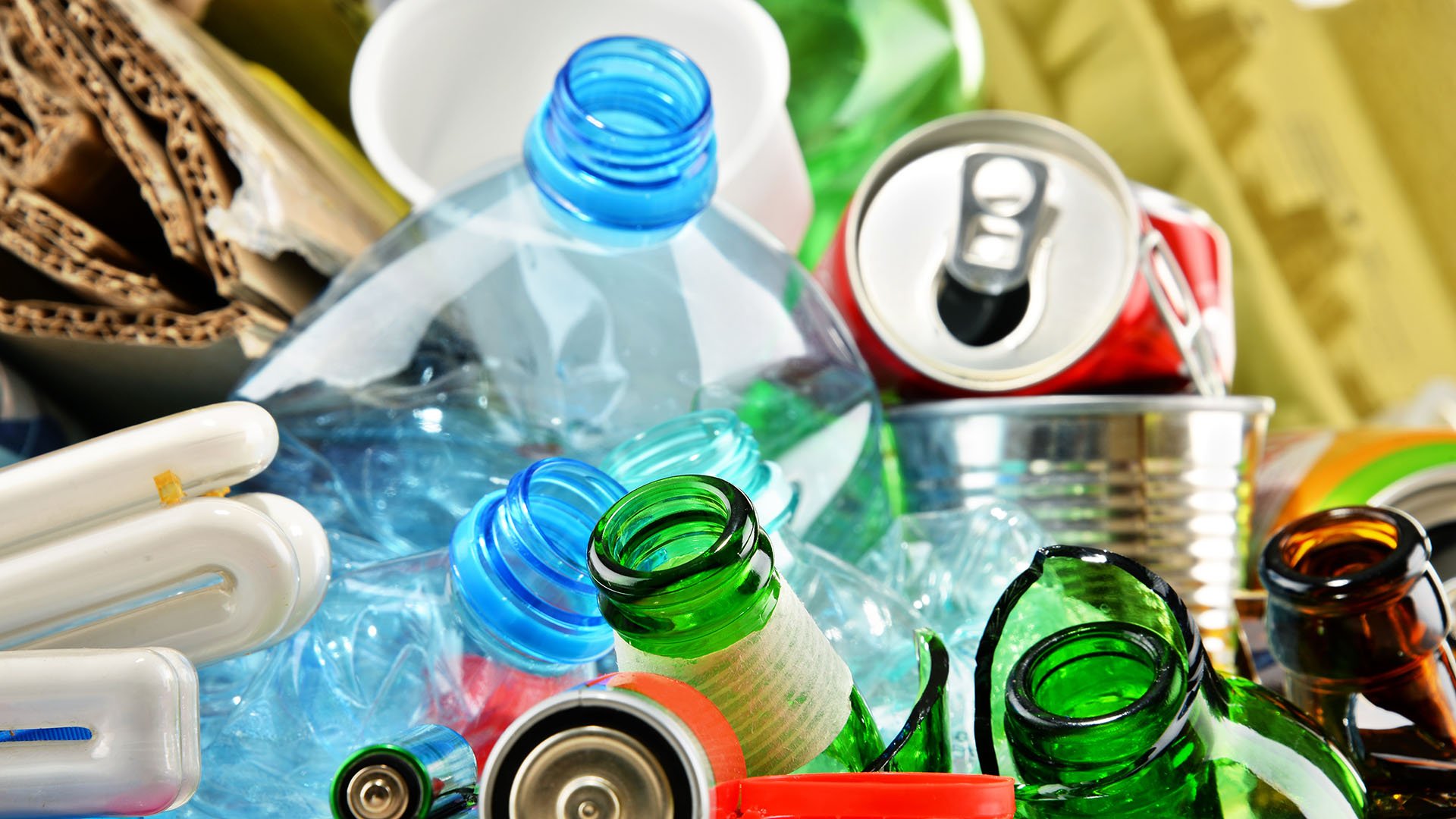
Our site offers a wide variety of waste materials, ranging from metals like aluminum shavings and copper wire to electronic components like obsolete circuit boards and inkjet printer cartridges.
.png)
.jfif)
.jfif)
.jfif)
The ‘WASTE MANAGEMENT SYSTEM’ is an ecommerce platform facilitating the buying and selling of waste materials among organizations and individuals. Our website provides a digital marketplace where users can purchase and sell various types of waste products, fostering a sustainable and eco-friendly approach to waste management. Whether you're a business looking to recycle materials or an individual seeking to responsibly dispose of waste, our platform offers a convenient and efficient solution for your waste management needs.
Engaging in the buying and selling of waste through traditional channels can be cumbersome for both individuals and organizations. Our waste management ecommerce platform revolutionizes this process, offering a hassle-free experience. With just a few clicks, users can seamlessly buy or sell waste materials, streamlining the entire transaction process. Additionally, our platform enables users to easily communicate any concerns or issues directly to the municipality, further enhancing convenience and efficiency. The automated system ensures that complaints are promptly redirected, and users can receive acknowledgment from municipality admins, providing assurance that their concerns are being addressed.
Learn MoreOur site offers a wide variety of waste materials, ranging from metals like aluminum shavings and copper wire to electronic components like obsolete circuit boards and inkjet printer cartridges.
The diverse range of waste materials listed on your site opens up possibilities for innovation and creative reuse, as users may discover new ways to repurpose or recycle these materials.
By facilitating the buying and selling of waste materials, our site promotes environmentally friendly practices by encouraging recycling and proper disposal of waste products.
By offering a marketplace for waste materials, ourite contributes to overall waste management efforts by providing an avenue for businesses and individuals to responsibly handle their waste streams.
Management of Municipal Solid Wastes: A Case Study in New Delhi, India
Here is the email Id of municipality.
Waste management regulations and disposal methods.
Waste management is the collection, transportation and disposal of waste materials.
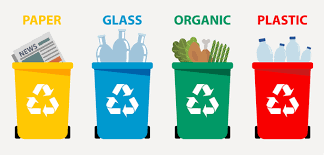
Keep separate containers for dry and wet waste in the kitchen. Keep two bags for dry waste collection- paper and plastic, for the rest of the household waste. Keep plastic from the kitchen clean and dry and drop into the dry waste bin. Keep glass /plastic containers rinsed of food matter. Keep a paper bag for throwing sanitary waste.
Form a group with like-minded people. Explain waste segregation to your family / neighbours in your apartment building. Get the staff in the apartment building to also understand its importance. Get separate storage drums for storing dry and wet waste. Have the dry waste picked up by the dry waste collection centre or your local scrap dealer.
1. Wet waste- Wet waste consists of kitchen waste -
including vegetable and fruit peels and pieces, tea leaves,
coffee grounds, eggshells, bones and entrails, fish scales,
as well as cooked food (both veg and non-veg).
2. Dry Waste- Paper, plastics, metal, glass, rubber,
thermocol, styrofoam, fabric, leather, rexine, wood –
anything that can be kept for an extended period without
decomposing is classified as dry waste.
3 .Hazardous waste- Household hazardous waste or HHW include
three sub-categories – E-waste; toxic substances such as
paints, cleaning agents, solvents, insecticides and their
containers, other chemicals; and biomedical waste.
4. E-waste- E-waste or electronic waste consists of
batteries, computer parts, wires, electrical equipment of
any kind, electrical and electronic toys, remotes, watches,
cell phones, bulbs, tube lights and CFLs.
5. Biomedical waste- This includes used menstrual cloth,
sanitary napkins, disposable diapers, bandages and any
material that is contaminated with blood or other body
fluids.
1. Dry waste- Store it in a bag in the utility area after
cleaning and drying till it is picked up. No food residue
must be left in the bottles and packets. Clean them as you
would to reuse them. If clothes are totally unusable, or
very damaged, they are categorized as dry waste. If clothes
are soiled with body fluids, they become sanitary waste. If
they are soiled with paint, or any chemicals, they are HHW
(household hazardous waste).
2. E-waste- Store them in separate container which is kept
closed, away from moisture and in which nothing else is put.
1. Compost your wet waste at home- Home composting can
easily be done in any aerated container. Get more details on
composting and begin composting today!
2 Compost your wet waste at the community level- If you live
in a large apartment building, a community composting system
like tank composting could be set up for all the wet waste
from the residents. If not, the wet waste can be given out
every day to your Municipality collection system.
3 Biomedical waste has to be wrapped separately in a
newspaper and handed over to the municipality waste
collection system. Expired medicines and injections, used
syringes also have to be disposed in the same manner. Paint
and other hazardous waste like cosmetics, mosquito
repellents, tube lights etc have to be stored separately and
handed over to the Municipal collection system.